We ask this question a lot in our house.
In fact, this question gets begged to be asked. It’s kind of funny to have kids throwing their hands up, wanting to be the first one to ask this question, but it happens. Almost daily.
When we’re all sitting down to dinner together–which happens about four- five times a week during the school year–we have a tradition of starting “community.” Now, I didn’t come up with this by any means. This is part of the Sanctuary model of trauma-informed care. But my kids embrace it, at least most days. And they love to be the one who gets picked to start the circle of community around our table.
The kids know the drill, too. They ask three questions.
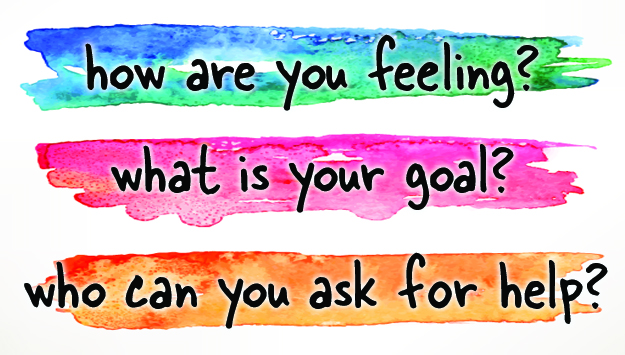
As the kids get older, certain answers become off limits, too, and we encourage them to be more creative. Our four-year-old can be “happy!” with a goal of having time to play video games and ask mommy for help…but our eleven-year-old cannot answer simple “happy” or “good” or “fine.” We explore other, more specific words to help kids convey their feelings. Instead of happy, one might feel content, or ecstatic, or joyful, or mellow. Instead of sad, one might express feelings of disappointment, jealousy, aggravation, or discouragement.
This time at dinner when we sit down and talk about how we feel is often rather shallow. We don’t usually get into deep discussions of why someone is feeling down or how we can help our friend who is feeling disappointed. Perhaps after dinner, as the evening winds down, I will catch up with the kid who felt frustrated at dinner. This community time, instead, is used to create a habit, to create normalcy around discussing how we feel. Alan and I participate, too. We talk about how we feel and we try to set examples of specific feelings and targeted goals.
I’ve seen this discussion make a difference.
I’ve had kids come to me after getting in a fight with a friend, tears in their eyes, and use words to tell me–not what happened or how much of a jerk their friend is or anything like–but tell me how they feel. This isn’t something they’ve always been good at. It’s not something they always do.
But they’ve heard me cry, too.
They’ve listened to me answer community questions shortly, with answers like:
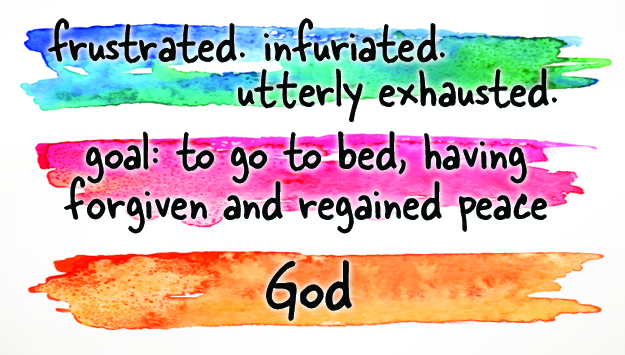
They’ve seen me discuss these feelings with them, deal with them, and wake up the next morning in a better mood. They’ve seen that it’s okay to talk about feelings, feel like you’re out of control of your feelings, and still make good choices.
Because of course it’s important to teach kids to talk about how they feel. It’s important to teach them the right words. But it’s equally important to show them how we feel. It’s vital that they see adults struggling, praying, asking for help, and dealing with feelings in healthy ways.
Our kids have often seen things done the wrong way. Either too much emotion displayed in verbal abuse, fighting, yelling, leaving…. or too little emotion, as part of a neglectful upbringing. Part of our daily goal is to ride emotional roller coasters along with the kids helping them ultimately stay grounded and reach a place of peace, while also letting them ride along with us from time to time.

 Diary of a Houseparent